About CogniMusica
Combining music education with cognitive science to help every child thrive.
Research suggests that learning a musical instrument can positively support children's learning and help them benefit more fully from their education.
More Than Music Lessons
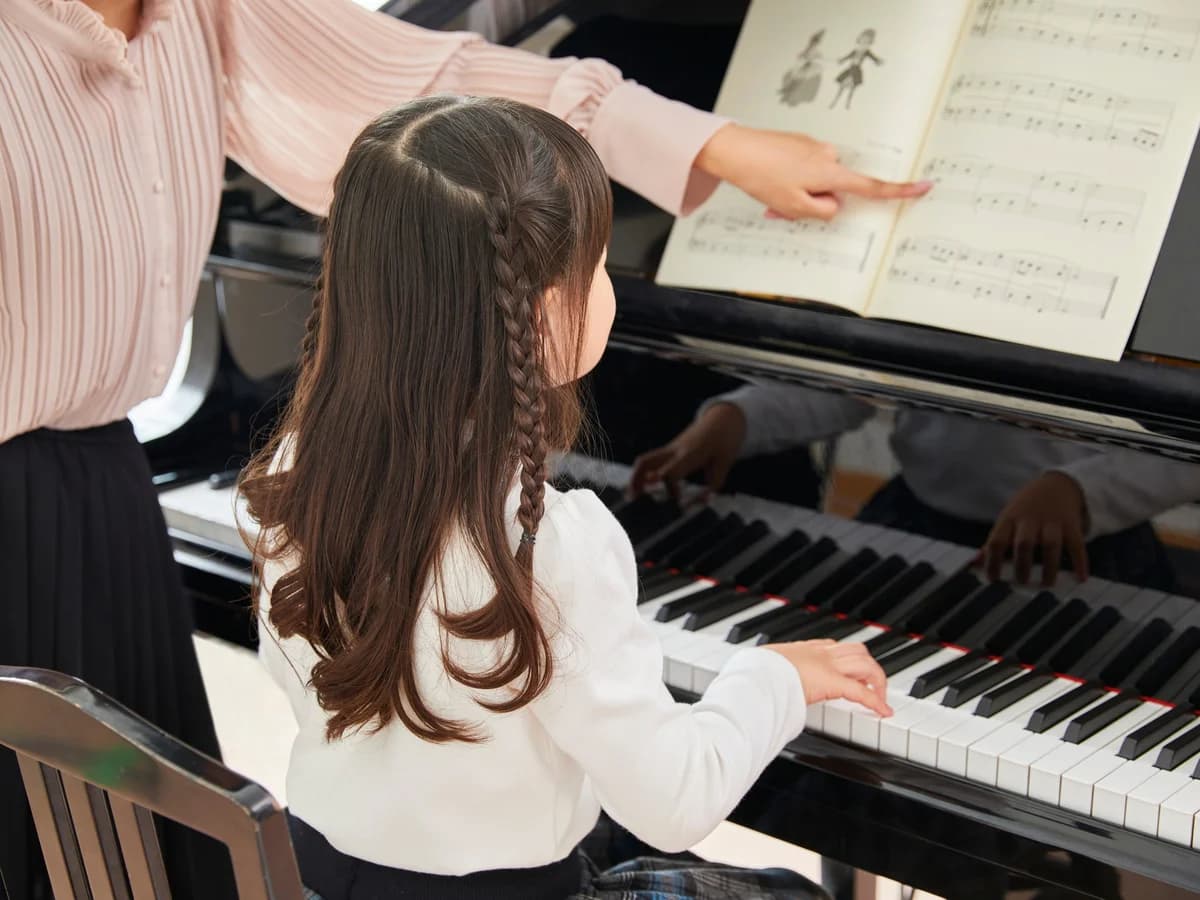
A growing body of research suggests that early and lifelong musical training can support brain development and is associated with improvements in cognitive functions such as attention, memory, speech and language processing, and motor skills. At CogniMusica, we recognise that music education extends beyond learning to play an instrument; it can be a valuable way to support children's cognitive, emotional, and social growth.
However, within the current educational landscape, access to high-quality music education has declined significantly. As a result, many children - particularly those facing barriers such as additional learning needs, socioeconomic disadvantage, or language barriers - are unable to access its benefits.
As a Community Interest Company (CIC), we are committed to addressing this gap by making high-quality music education accessible to all children, regardless of ability, background, or financial circumstances. Through evidence-informed musical training, we aim to support children's cognitive, emotional, and social development while fostering a lifelong love of music.
Why Change is Needed
Many children are only able to fully benefit from music education - particularly instrumental learning - if they already possess well-developed cognitive skills, often referred to as “talent.” These children are more likely to engage with and persist in school-based instrumental lessons.
In turn, such lessons - often delivered by external providers within schools - are typically short, group-based, and undervalued in comparison to core subjects such as Maths and English. They frequently take place in suboptimal environments, such as libraries, corridors, or canteens, limiting both the quality of instruction and the ability to provide a personalised approach. This is especially restrictive for children with additional learning needs, those perceived as less “talented,” or those who require a more sensitive and tailored approach.
As a result, when children show limited progress under these conditions, it is typically only parents with the financial means who continue to invest in school-based lessons or enrol their children in private tuition - and even then, usually only if the child demonstrates clear potential as a future musician.
This reflects a broader misconception that learning to play an instrument is primarily a specialised skill, rather than a powerful means of supporting the development of wider cognitive and learning abilities in all children.
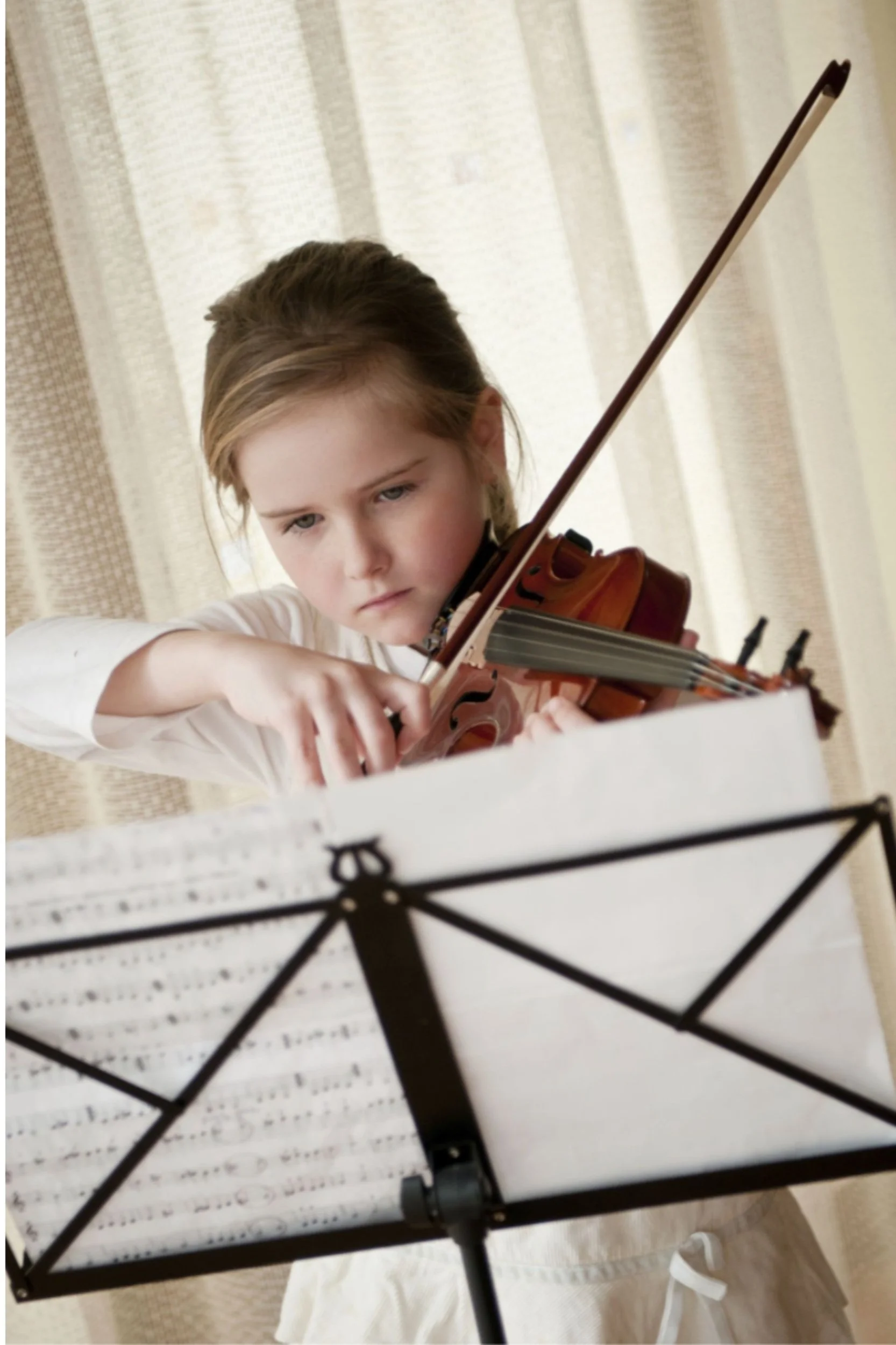
CogniMusica is committed to transforming the current landscape of music education in Scotland and the UK by offering high-quality musical training integrated with cognitive skill development strategies and therapeutic support to children.
Through both our private and at-school sessions, we aim to make instrumental learning accessible and affordable for all children. Through our unique cognitive approach, we tailor each lesson to the individual needs of every child, ensuring they benefit not only musically but also in their cognitive, social, and emotional growth.
The Cognitive Difference
By closely observing how students process and retain information while playing, we use music as a tool for targeted cognitive skill development. This allows us to customise lessons to address each child's specific cognitive processing needs and challenges.
As a result, our approach caters to both highly skilled and talented students as well as those who may struggle with learning, helping every child succeed in music and beyond. Parents consistently report improvements in their children's mood and self-esteem after just a few sessions with us, while long-term students show better focus and emotional control.
0%
ABRSM Exam Pass Rate
0+
Students prepared for exams
0+
Students taught
0+
Years Experience
0
Instruments Offered
What We Believe
The principles that guide everything we do at CogniMusica.
Music for Every Child
High-quality instrumental learning should not be limited to 'talented' children. Every child can benefit from music education, regardless of abilities, background, or financial means.
Cognitive Development
Scientific research shows that early and lifelong musical training can positively impact brain development, fostering key cognitive skills such as memory, attention, speech and language processing, and motor abilities.
Personalised Approach
By closely observing how students process and retain information while playing, we use music as a tool for targeted cognitive skill development, customising lessons for each child's specific needs.
Proven Outcomes
Parents consistently report improvements in their children's mood and self-esteem after just a few sessions, while long-term students show better focus and emotional control.
Bridging the Gap
Musical training has largely been removed from schools, leaving many children without the opportunity to experience its profound benefits. We aim to change that.
Beyond Talent
Playing a musical instrument is not merely a skill - it is a powerful way to support the development of general learning abilities in children, benefiting them far beyond music.
Affiliations and Memberships
Connected with and supported by leading organisations.



Expanding Our Reach
To further raise awareness of the benefits of musical training on children's development and to reach even more children, we actively engage through social media, research collaborations, and professional networks. We are currently looking to expand our tutor team, broadening the range of instruments offered in our sessions.
We also provide talks at schools and organisations and will soon launch our online training for music professionals, available through our website. Our dedication to research and ongoing improvement motivates us to continuously refine our cognitive approach and tutoring strategies.
Together, We Can Make a Difference
We invite funders to invest in our mission, schools and organisations to collaborate with us, music tutors to join our expanding team, and researchers to contribute to our ongoing studies.
Every child deserves access to the transformative power of music education.